

Middleware and ride automation
Accepted client rides flow into dispatch automatically, and declines sync back without extra steps.
- Scheduled checks replace portal polling
- Imports to dispatch without file reshaping
- Declines return in the same loop
Case study
Blue Ribbon runs high-volume transportation with real constraints: time windows, compliance, and daily coordination across dispatch and drivers. Before this build, the team was juggling portals, spreadsheets, and paper. The work got done, but the workflow kept pulling people out of the job.
The operation supports non-emergency medical transportation alongside standard taxi service. The split made day-to-day decisions harder than they needed to be, especially when volume spiked.
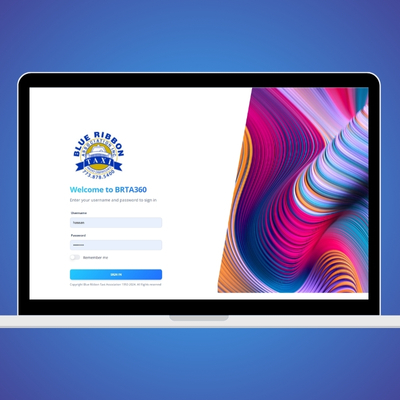
A lot of the work was not transportation. It was coordination. Ride data lived in one place, routing lived in another, and the handoff in between was human effort.
The client’s daily intake was a repeatable set of steps, multiple times a day.

We built middleware that removed the daily CSV shuffle and connected the operational pieces that were already in place. Alongside that, we shipped a digital onboarding workflow and a driver portal so the office could stop operating like a paper counter.
Accepted client rides flow into dispatch automatically, and declines sync back without extra steps.
Mobile-friendly onboarding with document upload, training acknowledgements, and expiry tracking.
Drivers can keep profiles and documents current without a phone call or a visit to the office.
B2B and taxi capacity can be viewed together, which helps dispatch make smarter decisions.
Website refresh plus adoption support, so the system lands properly with the people using it.
The biggest shift is that dispatch is working inside one rhythm. The team is not spending the morning moving files and the afternoon chasing missing pieces.
Routine changes no longer require developer intervention to keep the operation moving.
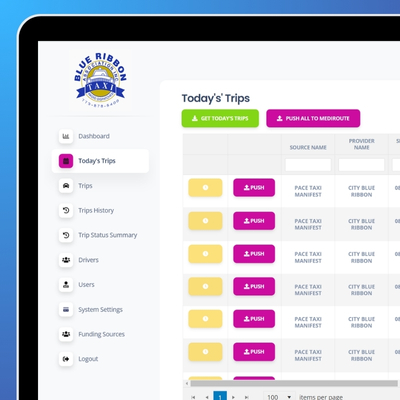
The early improvements were obvious to the team using it. Less switching. Less waiting. Dispatch spends time on decisions instead of file handling.
This case study focuses on operational outcomes observed during rollout and early adoption. Some details are simplified to protect client processes.
Once the core flow stabilizes, the next step is polish and resilience. Better reporting, clearer exception queues, and tighter controls around permissions and audits.
Transportation ops do not get to “pause.” The system is built to be boring in the best way. Predictable, observable, and easy to recover when the outside world changes.
Operator context and day-to-day workflow constraints for dispatch, compliance, and driver management.
Client rides originate through the PACE environment and require reliable intake, acceptance, and status handling.
Regulatory and operational realities that shape onboarding, documentation, and fleet readiness.