

Middleware integration
Ride data flows between PACE and Trapeze without manual file handling or repeated portal checks.
- Automated ride intake and acceptance
- Reduced dependency on CSV reshaping
- Declines handled in the same loop
Case study
Blue Ribbon Taxi needed a more dependable way to support non-emergency medical transportation across a complex operating environment. The work involved coordinating ride intake, dispatch workflows, driver readiness, and operational visibility — while reducing the strain of manual handoffs and fragmented processes.
The operation was handling sensitive, time-dependent transportation workflows in an environment where accuracy, coordination, and consistency mattered every day.
Legacy process gaps created unnecessary manual effort across intake, dispatch, and onboarding — making it harder to scale operations cleanly and maintain a clear operational picture.
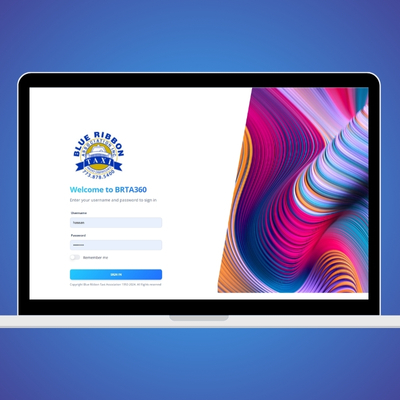
Envision360 delivered a multi-phase modernization effort centred on middleware, workflow design, and operational tooling.
The engagement included integration support across PACE and Trapeze, with middleware designed to improve how ride data moved between systems and reduce dependence on manual rework.
Around that core integration layer, we supported broader operational improvements: digital driver onboarding, document handling, self-serve driver workflows, and better visibility across active programs.

A multi-phase delivery across middleware integration, digital onboarding, driver self-serve, and unified operational visibility — with adoption support throughout.
Ride data flows between PACE and Trapeze without manual file handling or repeated portal checks.
Mobile-friendly onboarding with document upload, training acknowledgements, and expiry tracking.
Drivers maintain their profiles and documents without a call or an office visit.
A single view across programs gives dispatch a clearer picture when capacity gets tight.
The system was introduced with structured support to ensure it landed properly with the people using it.
The result was a more connected operating model across dispatch, onboarding, and day-to-day coordination.
Blue Ribbon moved away from a workflow heavily dependent on paper, spreadsheets, repeated file handling, and disconnected steps — toward a more maintainable and trackable operational foundation.
This was not a short-term fix or a narrow technical patch. It was a broader operational project delivered over time, with integration, adoption, and workflow support all playing a role in the final outcome.
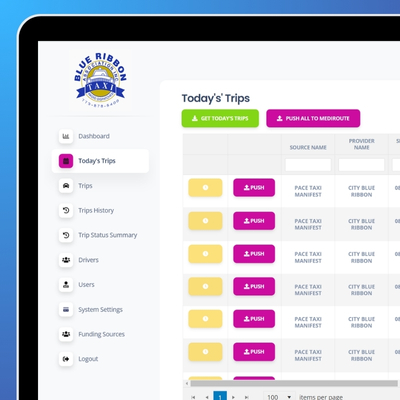
The improvements were felt across the team. Less switching between systems. Less time spent on file handling. Dispatch focused on decisions, not process management.
Full project scope, integration details, and rollout phases are shared privately as part of qualified conversations.
We share the extended version privately for qualified conversations — including integration scope, rollout phases, security considerations, and project outcomes in detail.
If this type of work is relevant to what you are building, reach out and we will set up a call.
This project involved coordination across several platforms and regulatory environments. The work was shaped by the operational realities of each.
Operator context, day-to-day constraints, and the workflow requirements that shaped the build.
Client rides originate through PACE and require reliable intake, acceptance, and status handling.
Dispatch and routing platform that the middleware was built to integrate with reliably.
Regulatory and operational realities shaping onboarding, documentation, and fleet readiness.